In a market long dominated by imported brands and inconsistent quality, one Indian startup decided that premium baby gear should not be a privilege reserved for those who could afford to import it.
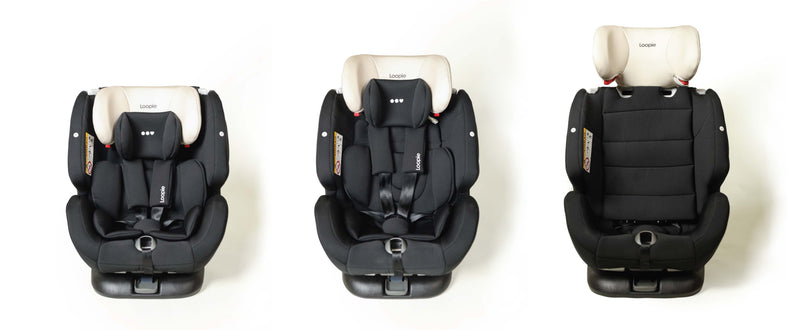
There is a particular kind of trust that parents extend reluctantly and only after careful scrutiny. It is the trust they place in the products that carry their children, and few brands earn that trust quickly or easily.
Loopie has earned it. Founded by Akriti Gupta, an IIM Ahmedabad alumnus, the company has built itself into India's first premium baby gear brand in a remarkably short span of time.
The product range itself reflects a clear philosophy. Strollers, convertible car seats, and diaper bags designed not as imported luxuries but as thoughtfully engineered products built specifically for Indian roads, Indian cars, and Indian families.
The flagship Loopie Hop stroller exemplifies this approach. It features an effortless one hand fold, a sturdy aluminium frame, and 360 degree wheels, all built around the practical realities of how Indian parents actually move through their day.
The Loopie Lap car seat carries R44 safety certification and is compatible with both ISOFIX and standard seat belt systems, a detail that matters enormously given the wide variation in vehicle types found across Indian households.
Safety certification is not a marketing detail in this category. It is the entire foundation on which parental trust is built, and Loopie has made it central to how the brand presents every product it sells.
The Loopie Robin diaper bag rounds out the core lineup, designed with nineteen compartments and a unisex aesthetic that breaks from the traditionally feminised design language of most diaper bags sold in India.
What makes Loopie's rise particularly notable is the speed at which it has moved from product launch to genuine market presence. The brand has already opened its first experiential retail store, located in Pune, allowing parents to physically interact with products before purchasing.
That decision to invest in physical retail, at a time when most direct to consumer brands are doubling down purely on digital channels, reflects a confidence in the product experience itself. Parents buying safety equipment for their children want to touch and test before they trust.
The brand's visibility grew substantially following its appearance on Shark Tank India, where Akriti Gupta turned down an offer of seventy five lakh rupees, a decision that signalled conviction in the company's independent growth trajectory.
That conviction has since been validated through funding. Loopie raised seven point two crore rupees in a round led by Sauce VC, Hyperscale Ventures, and the Patni Family Office, capital that has supported both product development and retail expansion.
According to the company, Loopie is now trusted by over five thousand families across India, a figure that reflects steady and organic growth in a category where word of mouth and parental recommendation carry far more weight than advertising.
What distinguishes Loopie from earlier entrants in India's baby gear market is the insistence on combining genuine safety engineering with design sensibility, refusing to treat the two as mutually exclusive priorities.
For decades, Indian parents seeking premium baby gear had two options. Settle for locally available products of inconsistent quality, or pay a significant premium to import internationally certified equipment. Loopie was built to close that gap entirely.
The broader significance of Loopie's rise extends beyond a single company's success. It reflects a growing willingness among Indian consumers to expect, and pay for, the same standards of safety and design that parents in other markets have long taken for granted.
How Loopie built a brand that thousands of Indian families now trust with their children's safety comes down to a simple but demanding formula. Genuine engineering rigour, thoughtful design, and the patience to build retail trust one family at a time.
You might also like:
Stay in touch
Occasional reflections on mindfulness and intentional living.