For too long the world has consumed Indian culture in fragments. Its food, its textiles, its architecture, its philosophy, appreciated individually and in isolation. The LaLiT Hotels is doing something more ambitious. It is offering the world Indian hospitality as a complete and unified cultural experience and the world is responding.
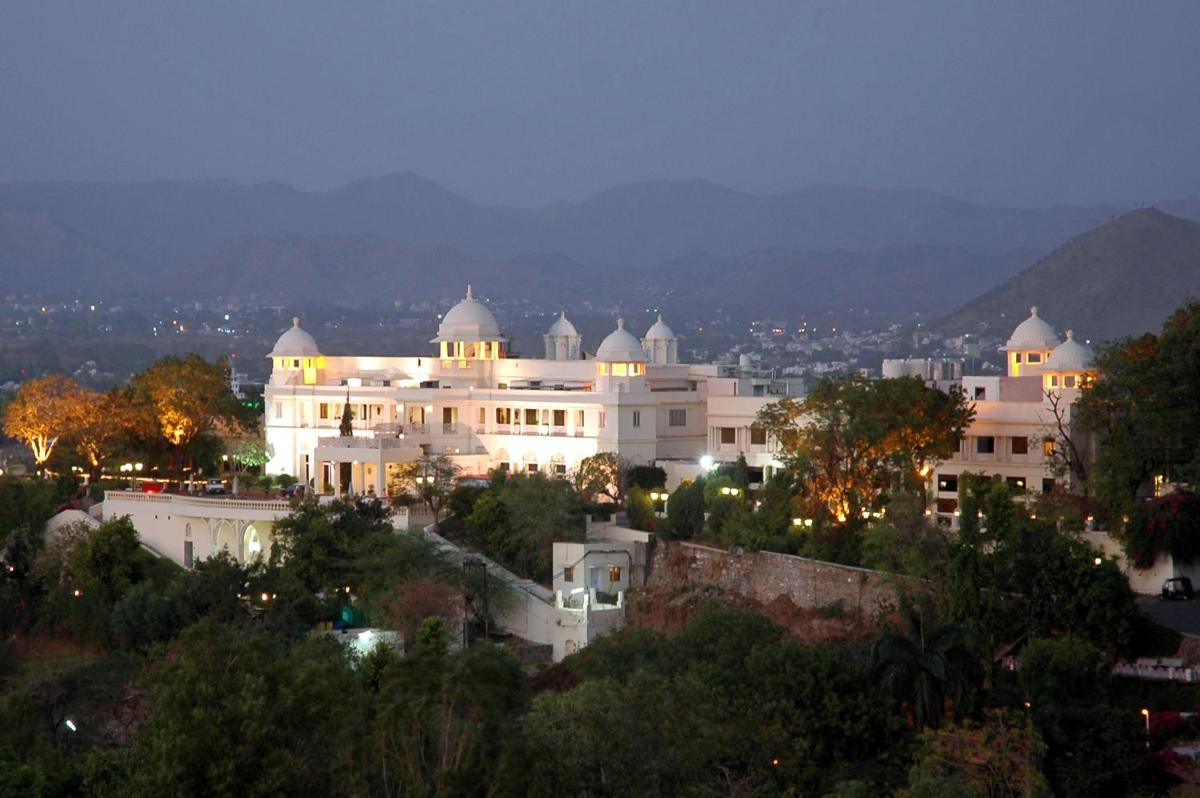
There is a particular kind of cultural contribution that only the greatest hospitality brands ever manage to make. Not simply providing a place to sleep or a meal to eat but creating an environment so thoroughly shaped by a distinctive cultural vision that every guest who passes through it leaves with a deeper understanding of the civilisation that produced it.
The LaLiT Hotels, one of India's largest and most celebrated privately owned luxury hotel groups, is making exactly that kind of cultural contribution. Across its portfolio of twelve luxury hotels, resorts, and palaces spanning India's most significant cities and extending as far as the south bank of the Thames in London, The LaLiT is proving that Indian hospitality is not simply a service category. It is a cultural statement of the highest order and it belongs on the world stage.
The foundations of that statement were laid in 1988 when Lalit Suri opened the group's first hotel in Delhi with a vision of Indian hospitality that understood warmth, grandeur, and genuine care for the guest as values that were not in tension with each other but were the essential components of a single unified experience.
That founding vision gave the group its character from its very first day, a character rooted in the Indian tradition of treating every guest as an honoured member of the household, of combining the physical grandeur of India's architectural heritage with the personal warmth of its oldest hospitality customs, and of expressing both with a consistency and quality that the most demanding international travellers would recognise and value.
Under Dr Jyotsna Suri, who took over as Chairperson and Managing Director following the passing of founder Lalit Suri in 2006, that character was not simply preserved but deepened, professionalised, and given the strategic direction it needed to express itself at a genuinely global scale. Her rebranding of the group's properties under The LaLiT flag in 2008 was a declaration that Indian luxury hospitality had found its voice and was ready to speak to the world in its own terms.
The physical properties through which The LaLiT makes its cultural statement are themselves expressions of India's extraordinary architectural and artistic heritage. The LaLiT Grand Palace Srinagar, set amid the incomparable landscape of the Kashmir Valley, offers guests an experience of Indian palatial hospitality in one of the subcontinent's most breathtaking natural settings.
The LaLiT Great Eastern Kolkata, one of India's most historically significant hotel properties, carries within its walls the full depth of the city's extraordinary cultural and intellectual legacy. The restoration and stewardship of this property under The LaLiT brand is itself a cultural act, a commitment to preserving and celebrating the architectural heritage of a city whose contribution to Indian civilisation is without parallel.
The LaLiT London on Tooley Street represents the most internationally visible expression of The LaLiT's cultural ambition. The transformation of a landmark late Victorian grammar school on the south bank of the Thames into a hotel that wears its Indian ownership's cultural influence with complete and unapologetic confidence was not simply a hospitality project. It was a cultural intervention in one of the world's most culturally confident cities.
The intensely vibrant cobalt blue interiors of The LaLiT London, the Baluchi restaurant's contemporary fine dining interpretation of Indian cuisine, and the staff dressed in traditional Indian attire created a hospitality experience that communicated to London's most sophisticated travellers something they had not previously encountered in quite this form. Not Indian culture as a theme or a decorative gesture but Indian culture as a living, confident, and fully realised way of engaging with and honouring the guest.
The group's food and beverage portfolio is one of the most powerful dimensions of its cultural statement. Award winning brands including 24/7, Baluchi, OKO, and Kitty Su have given The LaLiT a culinary presence across its properties that takes Indian and international cuisine with equal seriousness and presents both through the lens of a hospitality philosophy rooted in generosity, creativity, and the deeply Indian understanding that feeding a guest well is one of the most fundamental acts of cultural respect.
The LaLiT New Delhi, the group's flagship property and one of the capital's most respected luxury hotels, brings the cultural statement to its fullest domestic expression. As the only hotel in Delhi with a private art gallery, The LaLiT New Delhi makes explicit what every property in the group expresses implicitly, that Indian hospitality and Indian cultural life are not separate things but different expressions of the same civilisational tradition.
The LaLiT's commitment to its people is inseparable from the cultural statement it makes to its guests. The group's belief that genuine hospitality begins with the people who deliver it, that every member of its team carries the full weight of the cultural promise the brand makes to every guest, and that a workplace built on dignity, transparency, and genuine respect produces the kind of service that no training programme alone can generate, is itself a cultural position rooted in India's deepest understanding of what it means to serve.
The LaLiT Traveller brand, extending the group's hospitality philosophy into the mid-market segment through properties in Jaipur and Khajuraho, reflects an understanding that the cultural statement The LaLiT makes should not be available only to travellers who can afford a five star luxury room rate. Making world class Indian hospitality accessible across a broader range of travellers is itself an expression of the inclusivity that has always been central to Indian hospitality's cultural identity.
The group's ongoing development of new properties, including several under restoration and development in India and overseas, reflects Dr Jyotsna Suri's conviction that The LaLiT's cultural mission is not complete. Each new property is an opportunity to extend the group's cultural statement into a new setting, to bring the warmth and grandeur of Indian hospitality into a new context, and to demonstrate to a new audience what Indian luxury means when it is expressed with complete confidence and complete integrity.
For India's hospitality industry and for the international conversation about the place of Indian culture in the world's most competitive and culturally diverse markets, The LaLiT Hotels represents something of profound significance. It represents the moment when Indian hospitality stopped seeking validation from the international luxury market and started offering that market something it could not find anywhere else.
The LaLiT Hotels is proving that Indian hospitality is not simply a service and it is a cultural statement that belongs on the world stage not because it has adopted the language of international luxury but because it has insisted on speaking its own language with such clarity, such confidence, and such genuine beauty that the world has had no choice but to listen. That is what the greatest cultural statements always do and it is exactly what The LaLiT Hotels is doing every single day across every property it operates from New Delhi to London and everywhere in between.
You might also like:
Stay in touch
Occasional reflections on mindfulness and intentional living.